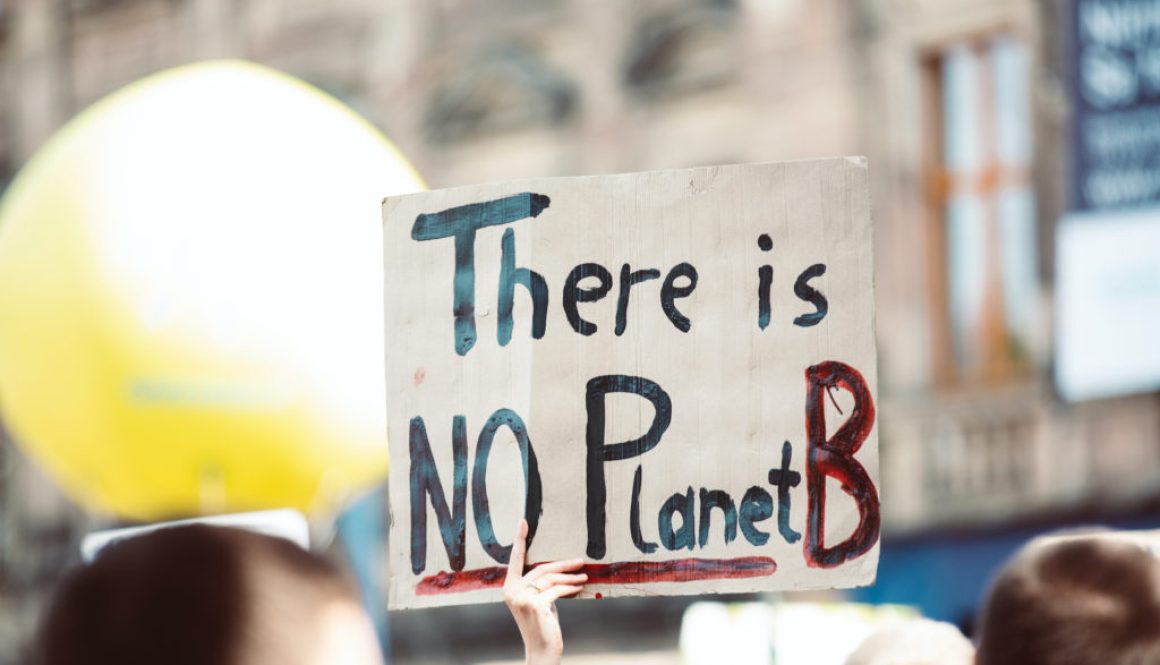
Ahead of a virtual weekend summit to mark the fifth anniversary of the Paris agreement, over 100 groups on Thursday urged President-elect Joe Biden to commit the United States to its “fair share” of emissions cuts and climate finance, noting the nation’s disproportionate contributions to the global crisis.
“The people who voted for a better future are now ready to demand it from your administration,” says the joint letter (pdf) to Biden, sent on behalf of millions of people. It follows the release last week of a U.S. Climate Action Network (USCAN) analysis of fair share country contributions with a focus on the United States.
The analysis found the U.S. fair share of global action necessary to limit temperature rise this century to 1.5°C—the more ambitious Paris target—is the equivalent of reducing U.S. emissions 195% by 2030, based on 2005 levels. In other words, slashing domestic greenhouse gas emissions isn’t enough—the United States must also help other countries. USCAN calls for domestic reductions of 70% by 2030 along with U.S. financial and technological support to enable even greater cuts in developing nations.
“The climate crisis may be the most unfair thing that ever happened on this Earth: the less you did to cause it, the harder you get hammered,” said author and activist Bill McKibben, who co-founded the group 350.org. “These numbers give us a strong sense of what a just and honorable response might look like.”
Noting that the United States, “for all our terrible inequality, is an extremely wealthy country,” USCAN executive director Keya Chatterjee said in a statement that “we can hardly expect other countries, particularly developing countries straining to lift their people out of poverty, to prioritize emissions reductions, if we haven’t already done so. The new administration very much wants to make the U.S. into a climate leader. Climate leaders do their fair shares.”
Given President Donald Trump’s recent withdrawal from the global climate accord, the groups’ letter tells Biden that “we applaud your stated intent for the United States to rejoin the Paris agreement at the earliest possible moment,” while also encouraging the next president to go further and fully embrace the fair share demand.
“This commitment to fair shares is already included in the Democratic Party’s Platform,” the letter notes. “To follow through, this will require bold, equitable, and ambitious emissions reductions and a commitment to support less wealthy countries to do the same, including providing a significant amount of climate finance, far more than we committed to under the Obama administration.”
According to Friends of the Earth U.S. president Erich Pica, “For far too long, the United States approach to addressing climate change in both the domestic and international context has ignored or denied our historic contributions to the climate emergency and our greater responsibility to act.”
As the letter details:
To date, the United States has contributed more to climate change than any other country in the world. It is also the world’s wealthiest country, with much of this wealth being accumulated through activities that have directly or indirectly fueled climate change. Even within the U.S., we see all too well how the devastating impacts of extractive and polluting activities are concentrated in low-income, Black, Latinx, and Indigenous communities, while the wealth accumulated through these practices is concentrated in the hands of just a few. These are truths that cannot be ignored.
It is past time for the U.S. to finally act the way a climate leader must —both within its borders and internationally. The United States’ capacity to act on the climate crisis and its historical contribution to creating it are so large that even cutting to zero emissions tomorrow would not be action enough. And so now the U.S., beginning with your administration, must do its fair share in addressing this crisis. It is long overdue. It is what’s right. And if people from Louisiana to California and from the Philippines to Nigeria are going to have a chance at surviving the existential crisis unfolding before our eyes, it is paramount.
Taking aim at past Republican and Democratic administrations, Corporate Accountability U.S. climate campaign director Sriram Madhusoodanan said that “the U.S. has consistently been a bad faith actor backing Big Polluters instead of people at the U.N. climate talks. It is not enough for the U.S. to simply rejoin the Paris agreement.”
“The Biden administration has touted climate action, and it is time for them to walk the walk,” Madhusoodanan added. “With its reentry to the Paris agreement, the U.S. must commit to pay what it owes to Global South countries, eliminate emissions, and stop undermining people-first solutions.”
Holding Biden to account, the letter points outs that “you yourself acknowledged the people’s mandate for urgent action on climate change in your victory speech, and we are here to tell you that transforming how the U.S. shows up and fulfills its obligations to address the climate crisis on the global stage is an essential ingredient in demonstrating climate leadership.”
Biden recently appointed John Kerry, the former secretary of state who helped craft the Paris agreement, as his climate envoy. In an interview with NPR earlier this week, Kerry said that in terms of taking action domestically to become a global climate leader, “We will have to do our fair share.”
“Yes, it’s simple for the United States to rejoin, but it’s not so simple for the United States to regain its credibility,” Kerry added of the Paris agreement. And I think we have to approach this challenge with some humility and with a very significant effort by the United States to show that we are serious.”
Earlier this week, as a new United Nations report warned that despite a brief coronavirus pandemic-related drop in emissions, the Paris goals are still out of reach based on countries’ current climate pledges, U.N. Secretary-General António Guterres called Biden’s decision to bring Kerry into his evolving administration “a demonstration that there will be a very strong commitment of the U.S. in relation to climate action next year.”
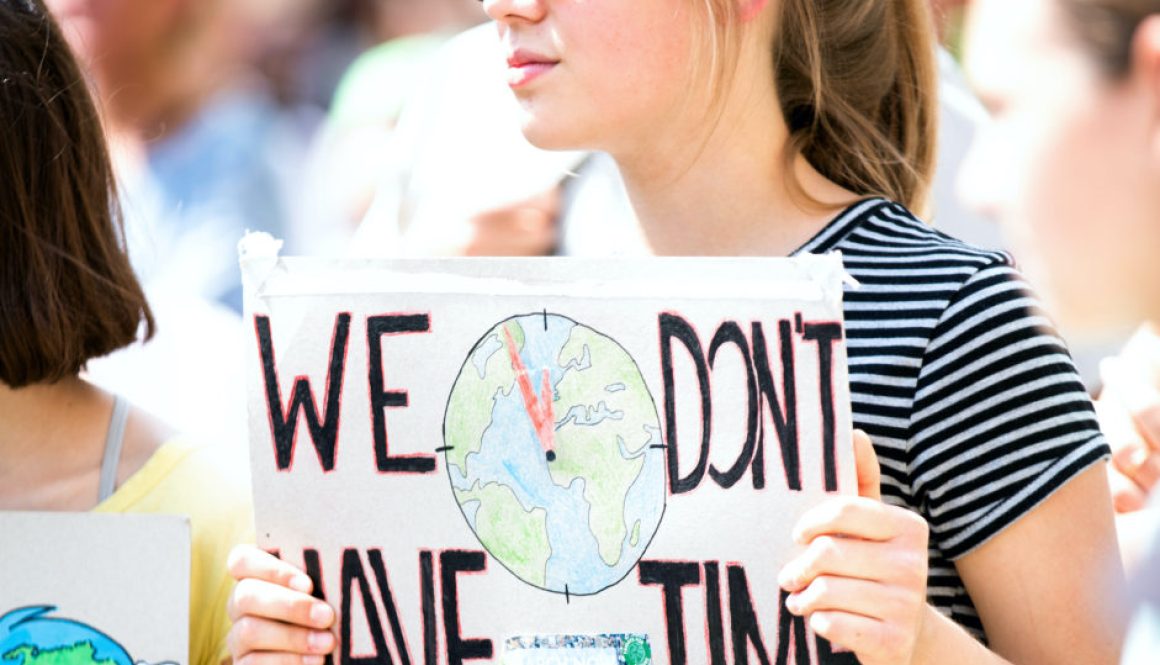
On the eve of the global Youth Climate Action Day 2020, more than 125 young elected officials from throughout the United States signed on to an open letter urging President-elect Joe Biden to take bold, necessary action to protect communities across the country and beyond from the human-caused climate emergency.
“No matter how the Senate roll call turns out, President-elect Biden will need support for his clean energy economy agenda from elected officials across the country.” —Alex Cornell du Houx, EOPA
Organized by Elected Officials to Protect America (EOPA), the letter explains that the signatories “believe it is imperative we take action on the climate crisis because it is a threat multiplier for water security, deadly disease, and environmental racism. It is time to enact a national Climate Emergency Plan that protects all our communities.”
The letter comes as Biden is assembling his administration following an election that occurred in the midst of the deadly coronavirus pandemic and related economic fallout as well as a national uprising demanding racial justice—in addition to the ongoing climate emergency illuminated by a summer of devastating wildfires across the West Coast and a record-breaking Atlantic hurricane season.
Although Biden won last month and Democrats held on to their majority in the House, party control of the Senate will be determined by a pair of runoff races in Georgia scheduled for January 5. In a statement Friday, EOPA president Alex Cornell du Houx said that “no matter how the Senate roll call turns out, President-elect Biden will need support for his clean energy economy agenda from elected officials across the country.”
“That’s why our letter is so important,” added the former Maine state representative. “Young elected officials help shape the public discourse and the policy agenda. They don’t shy away from politically charged topics—they confront them with positive change like the young elected officials that are speaking today.”
Though some of Biden’s selections and possible future picks for his incoming administration have alarmed climate activists in recent weeks, the former vice president won progressive support ahead of his election in November by embracing a bolder vision for climate policy, including with a green energy plan unveiled in July.
“With President-elect Biden we have the chance to attack the climate crisis, invest in green 21st century jobs, and embrace the clean energy revolution our country, our young people are crying out for,” said EOPA executive director Dominic Frongillo, a former Caroline, New York councilmember.
Democratic Maine Rep. Chloe Maxmin last month won her challenge to state Senate Republican Leader Dana Dow after running a campaign that promised residents of a conservative, rural district a Green New Deal and “politics as public service.” As Maxmin toldCommon Dreams after her victory, “When I talk to folks, I mostly listen, I don’t show up and talk about myself… I really try and listen and make sure that the voices that I hear are reflected in our campaign.”
Maxmin, who signed EOPA’s letter, reiterated on Friday that her approach to politics involves engaging with and working for the people who elected her, explaining: “I fight for my rural community and values, regardless of party or background. Our work is built on listening and mutual respect.”
“We’re at a moment where we can either let our divisions tear us apart or bring us together,” noted the state senator-elect, who is currently the youngest woman serving in the Maine House. “With the climate spiraling out of control we have to work together for all our futures.”
The EOPA letter urges both Biden and the next Congress to develop a federal climate emergency plan that includes, but is not limited to, the following objectives:
Transition to 100% clean energy;
Ensure everyone has access to clean and safe water;
Investment in communities on the frontlines of environmental injustice, including Indigenous, communities of color, and economically vulnerable;
Investment in clean, accessible, and affordable transportation systems;
Investment in a smart renewable-energy grid;
Transition to regenerative agriculture;
Phase-out of plastics and toxins that threaten our global oxygen supply;
Prevent foreign entities from unsustainably extracting U.S. water;
Improve building energy efficiency; and
Divest, phase out fossil fuels, and invest in new technologies;
“America must lead the world in protecting everyone from the climate emergency,” the letter says, echoing a message from United Nations Secretary-General António Guterres earlier this week.
In an interview that preceded the release of two alarming U.N. climate reports, Guterres warned that “the way we are moving is a suicide” and humanity’s survival hinges on the United States returning to the Paris agreement and achieving net-zero carbon emissions by 2050. Though President Donald Trump officially ditched the global climate deal the day after this year’s election, Biden has vowed to rejoin it—though experts and advocates have advised that’s merely a starting point.
“Young elected officials from all over the country are proposing legislation, passing laws, and standing up to fight [for] environmental justice so we can create an inclusive clean energy economy.” —Ithaca Mayor Svante Myrick
“Young climate activists continue to push and support us to take steps towards a clean energy economy at the state level, but states can only do so much on our own,” said Wisconsin state Rep. Greta Neubauer, a Democrat. “Having a president who understands the existential threat of climate change is critical, but he’ll need the support of young climate activists and elected officials from every state in order to make the changes we need.”
Neubauer joined fellow EOPA letter signatories Maxmin, Wake County Soil & Water Conservation District Board of Supervisors Vice-Chair Jenna Wadsworth, and Ithaca, New York Mayor Svante Myrick for a Friday event to discuss the joint message to Biden.
“Young elected officials from all over the country are proposing legislation, passing laws, and standing up to fight [for] environmental justice so we can create an inclusive clean energy economy,” said Myrick, who in 2011 was elected mayor at age 24.
“I’m also encouraged by the wave of young activists demanding climate action,” the mayor added. “There is no doubt that their momentum helped New York pass the Climate Leadership and Community Protection Act, putting us on a path to the future.”
^^^
This article originally appeared on Common Dreams and is republished under a Creative Commons license. Image by Markus Spiske/Pexels
For millennials and Gen-Z, or “Zoomers,” the global warming crisis looms larger than the pandemic, larger than health care, larger than (for example) the budget deficit, because this generation is staring down the gun-barrel of an unlivable future, which they will survive to witness firsthand. (Boomers often criticize the supposed sanctimony of this urgent youth movement, but what do they care, after all?). A close second in priority is the plastics crisis — including the microplastics pollution crisis — because (did you know?) plastics, which are made of petroleum, disintegrate to create greenhouse gases, and discarded plastics are taking over the world.
Here are a few thoughts from a New York city high school senior on one part of the problem: microplastics, and specifically its ties to our clothing.
What Are Microplastics?
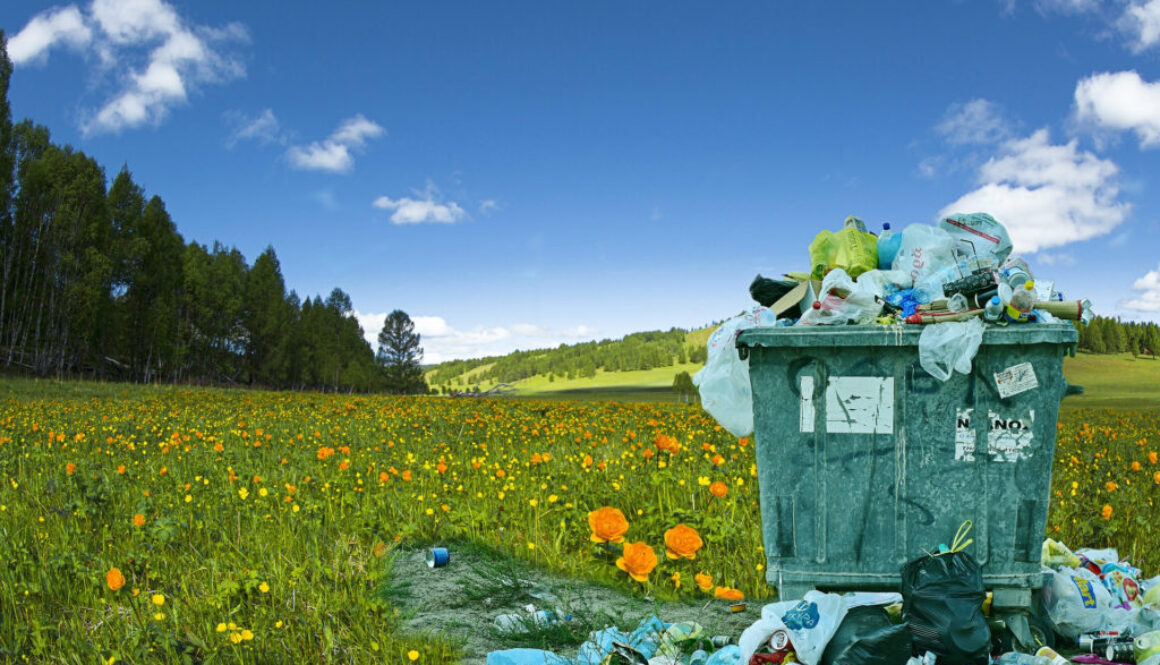
Microplastics are small pieces of plastic that are less than five millimeters long. They are created unintentionally when plastic products degrade, or are intentionally produced for products such as exfoliators that contain microbeads. A new study estimates that more than 1,000 tons (more than 123 million plastic water bottles) of microplastics rain down on protected areas in the western US annually. According to a study originally published in Nature Geoscience, a daily rate of 365 microplastic particles per square meter was recorded falling from the sky in southern France. Scientists warn that we are creating a “plastic planet.”
Health Impacts
What does all of this mean for us? We know that microplastics are in our food, water, and air. While research on the health impacts of microplastics is still being done, we do know that ingested microplastics can leach chemicals which can cause cancer, birth defects, and organ damage. We can also take a hint from the effect microplastics are having on marine life. In aquatic creatures, they block digestive tracts causing some species to starve and die, and they also reduce reproductive output. In addition, other small particles have been linked to vast numbers of health impacts in humans such as asthma, heart attacks and even impaired memory and IQ in children.
Our Clothing’s Impact and What We Can Do
And now, the final question: what does this have to do with clothing? While microplastics come from a huge number of sources, and cutting plastic out of our lives as much as possible is the end goal, it is estimated that synthetic clothes are a main source of microplastics and are the cause of 35% of the global release of primary microplastics into the oceans.
Synthetic clothes are clothes made out of plastic fibers such as polyester, nylon, and acrylic. Washing them is one way that we contribute to the creation of microplastics, as they break off of our clothes in the wash and flow out into our water.
To avoid this, you can try to avoid synthetic fibers when you shop, whether for new or used goods. When purchasing items made out of recycled materials, try to look for items you won’t wash often. For clothes you already own, you can use (listed from least to most effective) a Cora Ball, a Guppyfriend Washing Bag or a microplastic filter such as the Lint Luv-R.
^^^
Written by Julianne C., a New York City high school student.
This essay originally appeared in LaGuardia High School’s “Green Team” newsletter.
Images from Tom Fisk/Pexels, Brian Yuracits/Unsplash and The Digital Artist/Pixabay
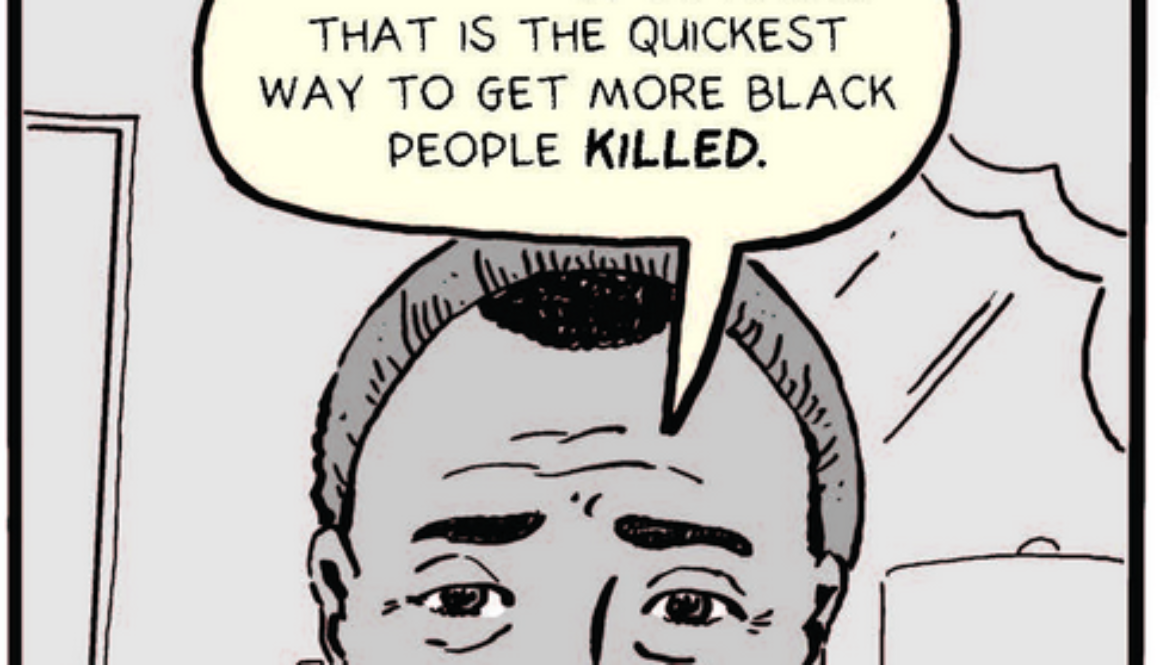
In a “A Tale of Two Pandemics: Historical Insights on Persistent Racial Disparities,” Neufeld uses the form of comics journalism to highlight a recent research article published in the Annals of Internal Medicine. The comic draws on the research article itself, along with additional sources — including interviews with co-authors Lakshmi Krishnan, S. Michelle Ogunwole and Lisa A. Cooper. The three medical doctors are the main characters of the comic, which explains racial health disparities and the spread of misinformation during the coronavirus pandemic and the 1918 influenza pandemic. The doctors’ speech-bubble quotes come directly from their interviews with Neufeld.
In cases where Neufeld quotes directly from their research article, he depicts the authors speaking in unison — akin to a Greek chorus. “I let their voices guide the narrative,” Neufeld says. “I’m so grateful that they spoke to me about their article!”
For educators and anyone else who would like to republish it in print, Journalist’s Resource provides access to a high-resolution PDF here: Download a high-resolution PDF.
Almost 60 percent of Israelis believe the IDF should be put in charge of lockdowns connected to the Coronavirus, according to a recent poll.
The same survey found that 25 years after a historic court ruling permitting females to apply to the IDF’s Flight Academy, only 43 percent of Israelis believe the Israeli army gives women soldiers equal opportunity — 50 percent of men and 36 percent of women.
Some 46 percent of Jewish Israelis believe the IDF provides religious and secular soldiers equal opportunity for personal development, according to the same poll. The more religious the respondent, the less the IDF is trusted. Only 22 percent of the ultra-Orthodox, but 38 percent of national religious and 48 percent of secular Jews trust the army to give equal opportunities to religious and non-religious Jews. The survey was conducted by the Israel Democracy Institute.
— Aaron Leibel.
^^^
Veteran journalistAaron Leibel writes for The Jerusalem Post and Washington Jewish week, and he blogs for The Times of Israel. He is the author of the acclaimed memoir, Figs and Alligators: An American Immigrant’s Life in Israel in the 1970s and 1980s, available from Amazon in Kindle and paperback, Barnes and Noble, and at every local bookstore in the U.S. and Canada.
Almost four years ago, Donald Trump’s presidency began with a small, silly lie about the size of his inauguration crowd. On Nov. 7, as Joe Biden’s lead in the vote count became insurmountable, the Trump presidency effectively ended with a big, dangerous lie — as the president claimed that he had won but been cheated by fraud.
Both lies flew in the face of all evidence. In 2016, however, we were only just starting to grasp the way political narratives and social media filter bubbles converged, allowing people to believe what a Trump adviser coined “alternative facts.” In 2020, we are unsurprised when such lies emerge, and we know more about how conspiracy theories are spread, deceiving millions into believing them.
One thing has not changed: we are vulnerable. As the transgressive satirist Sacha Baron Cohen shrewdly observed, “democracy depends on shared truths; autocracy depends on shared lies.” Our lack of shared truth presents a huge threat to humanity — imperilling social cohesion, confidence in democracy, compliance with public health guidelines, racial equality, respect for the rule of law, and our ability to act collectively against climate change.
Is Biden’s decisive victory a repudiation not just of Trump, but of Trump’s divisive and dangerous approach to leadership communication? No, but there are glimmers of hope. What fresh lessons can we learn today about the role of communication in achieving mutual understanding?
A defeat for hubris, not a victory for truth
Trump proved to be fallible. His surprise 2016 victory created an illusion of the president as a political and communications mastermind – skilled in gaslighting, media intimidation and misdirection.
While still a potent politician, the Trump of 2020 proved unable to adapt his message or follow a disciplined strategy to target swing voters. The narrative of grievance was ineffective from an incumbent. The call to action – “Keep America Great” – flew in the face of observable reality. He blew his best chance to reset the campaign with an erratic performance in the first presidential debate. And while Trump’s inner circle had better instincts, they harmed their chances by indulging his whims and obsessions – such as attacking mail-in voting, holding ego-boosting rallies during a pandemic, and wasting scarce advertising dollars on Washington cable shows the president likes to watch.
Would Biden still have won had Trump not shown such hubris? Since so few minds changed in the summer and fall, perhaps. Biden’s core messages were certainly sharper (“Battle for the soul of the nation” and “Build back better”). However, the Trump campaign’s success in convincing many Latino voters that Biden was a Castro- or Chavez-style socialist (an ironic claim, given Trump’s similarities to the latter) was a grim reminder of the weakness of current defences against dishonesty.
The campaign did, however, reveal more about the best defences against these dark arts.
Investing in smarter media — both news and social
In the 2016 campaign, the mainstream media were too often co-opted into complicity with Trump’s narrative. His allegations of bias made them bend over backwards to devote comparable coverage to Hillary Clinton’s use of a private email server and Trump’s much more serious misbehaviours — including misuse of charitable funds, the promotion of racist “birther” conspiracy theories against former president Barack Obama, and multiple allegations of sexual assault.
By 2020, news media outlets and social platforms alike had reconsidered their responsibilities and developed policies and practices to prevent obvious falsehoods from standing unchallenged. In the recent U.S. campaign, many professional journalists refused to be manipulated:
The Trump campaign’s attempts to claim – without evidence – that Biden profited from his son’s business dealings were given little credence, including by the GOP-friendly Wall Street Journal and Fox News. The statement by NPR’s public editor was particularly memorable.
And finally, even social media networks – such as the president’s preferred medium of Twitter – have begun to understand the need to flag misleading content – even from (and perhaps especially from) such an influential source.
Could such actions reinforce the false narrative of a “rigged media?” That is a risk – but one worth running. Investments in professional journalism, social media fact-checking and citizen media literacy are essential. The common goal must be a consistent demand for evidence over opinion.
Turning crises into educational opportunities
After Trump’s election, my greatest fear was that he would follow in the footsteps of the authoritarian leaders he admires, creating or fomenting crises and then responding by limiting civil rights and shredding democratic norms. He certainly tried — from the Muslim travel ban in his first year to the manipulation of pandemic information in his last. Often, however, America’s courts, national security agencies and scientists held his worst excesses in check.
What I did not fully appreciate was how effectively a crisis can expose falsehood and ineptitude – provided that the truth is sufficiently discernible for all to see. Crises are inherently resistant to narratives, and to attempts to spin the facts to one’s advantage.
One of the campaign’s early turning points came in June, when Trump built up expectations for a packed Oklahoma rally, only to speak to a half-empty arena. As the New York Times reported, the president “had not been able to will public opinion away from fears about the spread of the coronavirus in an indoor space.”
Making empathy a superpower
One lesson leaders can learn from Biden’s success is the power of empathy. While he lacks the persuasive power of a Kennedy, Reagan or Obama, he excels at demonstrating empathy, both on the podium and in small human interactions.
The power of empathy is that it runs both ways: when you give it, you receive it. The vicious defamation that Trump had used successfully against Hillary Clinton was largely inert when tried on Biden, as the president’s daughter-in-law discovered when she mocked his stutter, and Trump himself found out during the first debate when he mocked Hunter Biden’s struggle with addiction. If anything, such attacks increased empathy for the Democratic candidate.
While Trump is not known for empathy, it is essential to note that he understood and articulated the frustration and rage of large segments of society who felt left behind by educated, urban America. Seventy-one million people voted for him. Dismissing them all would be dangerous; Biden made a good start by pledging to govern for them, too. He must make good on that promise.
The key for ethical leaders and communicators is to turn empathy into a superpower by both demonstrating it and having the agility to act on it. New Zealand’s Jacinda Ardern has it in spades. This is partly about communication: consider how ads like this one might be more effective than angry speeches. It is, however, ultimately about turning empathy into meaningful action. The National Basketball Association’s powerful embrace of racial equity – followed by action to help turn out black voters – is a good example.
Developing ethical leaders — and rewarding them
The greatest bulwark against the dark side of communication is the most obvious: ethical leadership.
The real test of leadership is not standing for truth, justice and civility when it’s easy, but when it’s hard. History will remember the corporate leaders who distanced themselves from the president, upending traditional wisdom about never mixing business and politics.
Late in the campaign, I was struck by an article quoting Trump’s former chief of staff, John Kelly, referring to the transactional nature of all the president’s relationships. This proved to be a fatal flaw for Trump. Wise leaders will work with public relations advisers to enhance their listening and communication skills, their public engagement processes, and their strategies to build and nurture deep relationships with their public and stakeholders, based on shared values.
While Trump will soon leave office, new Trumps will surely emerge in the world’s major democracies. This is why government, business and civil society leaders must act together to support public-interest journalism, citizen media literacy and effective crisis and science communication. This is also why organizations must invest in recruiting and developing leaders with both ethics and empathy, and ensuring they have both the authority and the agility to act on what they learn. If we can summon this type of collective will, the light of shared truth can shine more brightly.
^^^
This article first appeared on Policy Options and is republished here under a Creative Commons license.
This week, Michael Nagler moves out of his seat as co-host on Nonviolence Radio to take the place of interviewee. Stephanie asks Michael about the course of his life — which could well be three or four lives! Michael was a professor of Comparative Literature and Classics at UC Berkeley and co-founded its Peace and Conflict Studies Program. He also co-founded and continues to act as president of the Metta Center for Nonviolence. At the same time, he directed the new film “The Third Harmony.”
In this interview, Michael speaks about his deep belief in the power of nonviolence and the way that principled nonviolence can help us to emerge from the spiritual crisis we’re facing now.
I feel that in the present age, the way we have to come to grips with the perennial struggle between good and evil is around the lens of nonviolence. That’s the way that it becomes most meaningful to us. That’s the way that the rubber hits the road in terms of our policies and our behaviors. And that’s the way that we can most efficiently orient ourselves to decision-making. We can ask ourselves, “Is this decision violent?” In other words, “Is there a selfish element which will benefit one party at the expense of another?”
In all his work, whether as an educator, an author, a director, Michael has been a passionate advocate for nonviolence and his efforts to reveal and celebrate its power has been a source of inspiration for many.
—
Stephanie: Welcome everybody to another episode of Nonviolence Radio. I’m your host, Stephanie Van Hook, and I am not in the studio but I’m recording the show live today from my home. I’m very happy to be able to do the show live today and interview my colleague, Michael Nagler, and not only about what nonviolence is for those who are new to it. Maybe they’ve heard some basic misconceptions about the power of nonviolence before or they have even practiced it, but have been disappointed.
We’re going to get into a little bit of some of the deeper dynamics of nonviolence with Michael, and also about the ways that nonviolence is being used right now in order to help promote and secure democracy in the United States and around the world. So, Michael, you’re usually my co-host, but welcome today as my guest to the show.
Michael: Thank you so much, Stephanie. I’m going to try to get used to my new role.
Stephanie: Now you are the cofounder of the Peace and Conflicts Studies program at UC Berkeley, and before that you were Professor of Comparative Literature and Classics at UC Berkeley.
I wonder if you want to speak first to an idea that, from “The Nonviolence Handbook” to “The Third Harmony,” is the one that stands out the most to me, that is, Our Spiritual Crisis. It is especially relevant on this day in the United States when we’re still awaiting election results and we’re still going through extreme forms of the pandemic, people are still getting sick. Speak to this. What do you mean by “Our Spiritual Crisis,” and how do you see that playing out today?
Michael: Wow. That is the key question, Stephanie, for sure. I took that term from my good friend Rabbi Michael Lerner who used it at a conference that we put on together in the year 2005. The audience just went wild with applause, and when politicians today, especially Democratic politicians, talk about the battle for the soul of America, that is essentially what they’re getting at.
What they’re saying is that this country had a particular meaning, not only in the development, the experiments with human politics, human political arrangements, but in a way, it was a step forward in human civilization. To me this means a step forward in spiritual awareness, and that is the underlying significance of the crisis that we’re going through right now.
I think that the reason that nonviolence emerges nowadays as the ideal way to address this conflict, this crisis, is that ultimately, nonviolence is a spiritual power. It’s like other forces that are invisible but potent as they swirl around us, especially in our human consciousness. Nonviolence also has a component of vision to it. One really simple way of looking at this is to see the world as a unity, which is what modern science and ancient wisdom have been telling us, and now are telling us with unanimous acclaim, we are all interconnected. We cannot injure another without injuring ourselves.
When you see the world that way and you know that things have to be changed, including things in yourself, the way you’re going to go about changing them is what Gandhi helped us understand to be nonviolence. It’s only when you see people as radically separate, meaning that possibly my welfare may have to be secured at the expense of yours, that violence begins to make sense.
Stephanie: I’m going to take a step back just for the sake of our listeners and those who may be tuning in. I recently saw somebody frame the question in an activist circle of, “Does spirituality have a role in social change movements?” That question confused me and confounded me in a way because I have a very strong sense of what spirituality means. But when you say spirituality, are you saying religion? What is the difference between spirituality and religion as it relates to the work that you’re doing?
Michael: If you wanted to separate the terms, though they can be made to substantially overlap, as when people say, for example, “I’m spiritual, not religious,” what they mean is that their feeling for the divine element in themselves and in the world and in others is not embedded in a particular sectarian framework. That’s becoming a more and more common form of spirituality in our world.
I think if you have a religious framework that is helpful – and there are parts of every major religion in the world today, including Indigenous religions, which are open to spirituality. As it happens, I was born into a non-practicing family and had no religious framework at all. I experimented with it when I was 12 years old, but I think I was mainly trying to annoy my father rather than discover God — anyway, poor dad. I came to spirituality without having a religious framework in the sense that I didn’t practice or – I didn’t practice a particular religion or try to construe the world in the framework of a particular religion.
Stephanie: And at the root, religion means — according to some accounts of its etymology — to tie together.
Michael: Yes, to tie together. And you can take that on many different levels. That’s actually, Stephanie, where The Third Harmony comes in because if you’re religatio, your reconnection with the universe as a whole, we’re calling that “The First Harmony.” If it’s religatio with fellow beings, and especially your fellow human beings, which is why the present political crisis is so acute and must be addressed, we’re calling that “The Second Harmony.” And if you try to harmonize all of the elements within yourself, within your own mind, within your own heart, your own intellect, your audio activities, we’re calling that “The Third Harmony.”
“Third,” is a bit of a misnomer because really that’s the first. That’s the harmony you have to start with or you will not be able to project the harmonic influence onto the world around you.
Stephanie: Interesting. But let’s bring it back to nonviolence because even for seasoned activists, often people have to push away the idea that nonviolence is some kind of a religious practice, that it’s something that the Jains do or it’s something that you do when you’re a Christian.
Michael: Following on the heels of what you were just saying, my strong feeling is that in this age where we’re living now, the 21st century, nonviolence is the key to spiritual development because nonviolence is an inheritance of every one of us. As we say in the film – we interview Dr. Bernard Lafayette and he says –
Stephanie: The film you’re talking about is The Third Harmony film?
Michael: Yes. The Third Harmony, Nonviolence and Human Nature which is now available for two-day viewing on Vimeo and you can get to it from ThirdHarmony.org or go to Bullfrog Films. The first interviewee is Doc Lafayette and he says, “For me, nonviolence is a kind of power, and that power is in every person because every person has the capacity to love.” As he colorfully put it, “The funny thing about nonviolence is when you step out of the shower in the morning, you’re fully armed.”
That’s a big difference between military coercion and nonviolent persuasion. In military coercion you rely on objects, things that are external to yourself and you’re mostly in a threatening posture. In nonviolent persuasion, everything you need to draw upon is within you, and what you’re doing is displaying the best that you’re capable of in your thoughts, words, and deeds to mirror that capacity in the opponent — and thus, bring it to life.
Stephanie: One thing that I find interesting about this conversation, and about the definition and the practice of nonviolence is that when properly understood, when nonviolence is actively practiced, it doesn’t look too remarkable. It looks like people getting along from the outside. But there’s this deep inner condition, this inner struggle that is taking place almost – I want to say against or in opposition to another force that’s within us that tends to aim towards separation or getting one’s own way at the expense of other people. But from the outside, nonviolence in our daily lives does look rather unremarkable.
On the other hand, a popular understanding of nonviolence is that it means loud, boisterous, extreme action, that you force your will onto the will of others, that you stop violence at systemic levels or at institutional levels with protests and marches and sit-ins, and any variety of tactics. What’s the difference between those two polarities, nonviolence as a way of being and the inner struggle that entails, and the more common perception of nonviolence looking like a set of tactics?
Michael: Yeah — or as the famous peace researcher now living in Spain, Johan Galtung said to me one time, “If you don’t have a basis in faith then your nonviolence is just a set of tricks.” And he went on to add, “And the opponent usually has better tricks.” So it is important for us to touch upon what Johan called, “That faith element”: the faith that your inner struggle matters, and that you’re not the only one who has the capacity to do that. The faith that when you do it right, it will have an impact on the world even though you may not see it in the immediate event. That’s one of the characteristics of the nonviolent approach to life and social change as opposed to a not nonviolent approach is that you may not see the results right away, but they will ripen in the course of time.
We can see in the Prague Spring Uprising in 1968-69, it failed to deter, to repel a Warsaw Pact invasion, so it looked like it failed. But 20 years later, the Berlin wall fails. And then communist hegemony in Eastern Europe fails. And you have this spectrum of countries that went through that change in a variety of ways which is interesting for us right now.
You had extreme upheaval — I think one of the really bad examples was Romania — and then you had a really peaceful creative constructive transition which was in Czechoslovakia, and undoubtedly because of the nonviolent practice that people had experienced the benefits of 20 years earlier.
Gosh, Stephanie, I may have drifted off the topic of your question, but I do think that the reason that nonviolence has been slow to catch on, especially the principled kind of nonviolence we’re talking about here, is that we in the modern world, especially in the Western industrialized countries, we don’t grow up with a very clear understanding of spiritual forces. That there can be non-material forces which show up only indirectly, except in our consciousness. We can feel them, but even there we need to get trained to recognize them when they occur.
Stephanie: Like, for example, like when I am hurting somebody and I start to feel regret or shame or pain inside.
Michael: Exactly.
Stephanie: I can either cover that up and say, “That’s just life and life is hard and it hurts,” or I can say, “Wow, that pain I’m feeling is a sign. I don’t want to do that,” and it’s connected to the pain I’m inflicting. That’s teaching ourselves to recognize the patterns between our behavior and how it makes us feel.
Michael: That is perfect. I think, unfortunately, it can be even worse. There can be situations where people simply do not feel that pain inside of them, and there can even be cases where it gets perverted in some extremely unfortunate way, and they think they’re enjoying themselves. But what they have done is they have sealed off their awareness from the most positive, the deepest most important, most characteristic part of their own personality. That suffering accumulates.
We’re beginning now – therapists, scientists – to recognize this and name it. We have a friend and we interviewed her for the film but she didn’t make it into this version. Her name is Rachel MacNair and she coined the term “Perpetration Induced Traumatic Stress.” The army felt that was too clumsy or else they never heard of it. They use the term “Moral injury” but it is real. It’s what Norman Cousins used to call a “therapeutic reality,” and it’s driving people to their death.
We have this epidemic of suicides among military personnel and we don’t know why and it’s actually because when they’re trained to be violent, abusive, to regard others as completely alien from themselves, as potential enemies, even if they don’t go into combat, that very attitude hurts them very deeply.
I think in kind of a backwards way it’s a hopeful sign that this tragic response is increasing. It might be a sign that human spiritual awareness, after all is said and done, is creeping forward a little bit.
Stephanie: In this interview portion of the show, I get to interview my mentor, Michael Nagler — also at times my co-host — about your own thoughts and opinions about the spiritual crisis facing humanity right now, and also about your work and how you’ve made your life a work of art in terms of using your professorship to create a Peace and Conflicts Study program in education.
In the educational field as a professor, you tried to raise questions within the university of, “Let’s talk about the purpose of why we’re here. Let’s talk about the purpose of an education. Let’s talk about the meaning of life.” You tried to do that with your students, and onto the work of the Metta Center, and finally for this film. You’ve just done so much with your life and you keep doing new things — and you’re in your early 80s! It’s quite inspirational and hard to keep up with.
Talk about the Metta Center. It was about in 2007 when you left the University of California and you turned entirely to the work of your nonprofit, the Metta Center for Nonviolence. Why have you dedicated yourself to this organization, of all the things you could be doing at this time?
Michael: What an interesting question. That was a difficult time for me. I spent a long time waking up to the fact that what I wanted to do with my life and whatever little good I could offer the world was not going to go through the university. It was very painful for me because I come from generations of teachers and education is almost a sacred profession for me.
But I chose Metta Center, you could say, for two reasons. One, you might call the religious reason: because my spiritual teacher told me to way back in 1981. But secondly, because I do feel that – I’m loving the bird sounds in the background Stephanie — I do feel that in the present age, people may have other approaches, but here’s mine. I feel that in the present age, the way we have to come to grips with the perennial struggle between good and evil is around the lens of nonviolence.
That’s the way that it becomes most meaningful to us. That’s the way that the rubber hits the road in terms of our policies and our behaviors. And that’s the way that we can most efficiently orient ourselves to decision-making. You know, we can ask ourselves, “Is this decision violent?” In other words, is there a selfish element which will benefit one party at the expense of another?
Or is it nonviolent in the sense that it will, if slowly and awkwardly at first, lead to something for everyone — which might look different. It might mean that I voluntarily take on some suffering to protect others, to protect you from having to undergo that suffering, much less me imposing it on you. This is where, as you were saying before, Stephanie, it sometimes gets hard to tell on the surface what the nonviolent quality of a given act is.
I might refuse to let you do something and the critical thing is why? Why am I refusing to let you do it? Am I refusing to let you do it because I don’t like it? It would bother me? Or because I feel that it’s the wrong thing to do. Like if you picket at a polling – at a recruiting station, we all have polling on our minds, of course — if I picket a military recruiting station, yes, it’s inconvenient for them. It’s awkward for them. It makes them stop and think about what they’re doing.
In that sense, it looks like it’s harmful. But I’m taking a chance that I know what I’m doing well enough to risk feeling that this difficulty, this inconvenience is in the long run going to be helpful for them and for everyone.
Stephanie: That’s just a beautiful way to describe why you’ve given your life at this point to the work of social transformation through nonviolence, through the Metta Center as your vehicle for that.
Michael: And I’m mature enough to recognize that other people may have different paradigms. They may have different frameworks, and they may be perfectly valid. Probably it has to be like a composite of all of these worldviews that will really get us out of danger and back on the road to progress. But I’m perfectly secure in the belief that this is where I can make my best contribution because in a way, I’m combining two skills that have been slowly acquired in two different professions, if you will.
One, the formal profession of being an academic and a scholar and publishing learned books and so forth, knowing how to do research and knowing how to think clearly and sift through evidence, and knowing – this is something I always enjoyed about it and benefitted from – knowing how people faced life and what they thought of 2-3000 years ago and where we’ve come from there. This has really broadened my horizons.
So there’s all of that intellectual training, but on the other hand, it’s the spiritual practice that I’m schlogging away in, I hope, to the best of my ability, which does sometimes shine a searchlight right onto, or pretty darn close, to the heart of nonviolence. Being able to combine those two things gives me a capacity to do this work — i not all that successfully, at least it’s the best that I can do.
Stephanie: It’s really interesting to hear you say those things, Michael, because I’ve seen so many people come to you over the years that you and I have worked together, which has been about 12 years now.
Michael: Glorious years.
Stephanie: A lot of people come to you with that very same question, “How do I shape my life and give my life to my deepest values?” And you give them that same advice, what your strengths are, what have you been doing up until now, and how do you then take those skills that you’ve honed and use them? Then you take them to the next level, how you want your values to play out. To hear that you’ve done that in your own life is very inspiring because you can tell that part of the power of what you share with people is coming from your own experience.
Michael: I think we have no power unless we do that. You know the famous story about Gandhi that our teacher tells in his book, “Gandhi the Man,” by Eknath Easwaran, how this mother came to Gandhi with a 4-year-old child and said, “Bapu, please help me. This boy is eating too much sugar.” And Gandhi said, “I can help you. Come back in a week.”
So she came back in a week expecting he would have really thought this through and have all these arguments. And he just looked at the boy and said, “Stop eating sugar.” And the mother said, “Thank you, thank you. But do you mind my asking why you didn’t do that a week ago?” And Gandhi said, “A week ago, I was still eating sugar.”
When we can recognize what is authentic in our own experience and share that with the world, it will help because every single one of us has a contribution to make. And that contribution will come from our own authenticity, from our own ability to understand what our experiences are telling us, and for that we mostly need some guidance from outside.
Stephanie: Yeah — that’s what I was pointing at in this sort of unremarkable way that nonviolence does its work in the world, it helps people to address questions like this one, “What do I do with my life?” And then it ties into what you were saying at the beginning about nonviolence. It has to do something with who we think we are, what we think our capacities are. That’s why I think people appreciate the work that you’re doing, and appreciate the work of the Metta Center, if they only want to learn the fine points of nonviolent tactics, there are a lot of new organizations out there doing exactly that.
Michael: And doing it very well.
Stephanie: But you’re really focused on this idea of purpose and dharma and human nature, which tend to be the key to unlocking the power in the tactics that people choose to use. And you are now a film director, Michael, of The Third Harmony, Nonviolence and the New Story of Human Nature. How about we get into a little bit of conversation about the film? What is it? What motivated it? And how can people find it?
Michael: Sure, thought you’d never ask — just kidding. It’s been a dream of mine that has been percolating for a long, long time because I had, myself, had been so affected by films and by scenes that I saw in films. I knew that this would be a way to reach people, that would be complementary to; and in many cases, more powerful than reaching them through books. I also was able to draw upon my many, many years of work in the nonviolence field which gave me access to some of the greats in this film.
So in The Third Harmony we interview activists like David Hartsough, Bernard Lafayette, Ali Abu Awwad, and others. We interview scholars like Erica Chenoweth, and we interview students who are exploring the world of restorative justice, which is one of the two big institutions that have grown out of nonviolence in the modern world. The other being nonviolent intervention, which is prominently called today, “Third Party Nonviolent Intervention,” or rather “Unarmed Civilian Peacekeeping.”
The film gives quite a broad spectrum, and I’m happy to say that basically everyone who has seen it has been inspired. Many of them said “I want to go back and see it again” because it’s an introduction that works on the introductory level, but it also shows you that we’ve got a lot to learn when it comes to nonviolence. So there are many dimensions to the subject.
We’ve designed a version of the film for school, it’s 42 minutes or so.
Stephanie: 44 minutes.
Michael: 44 minutes with all the credits, right. Teachers can use it in two segments, or not. And that’s why we went to this particular distributor, Bullfrog Films.They are probably the premiere educational distributor in the country, so that’s an easy way people can get to the film, by going to BullfrogFilms.com and putting in The Third Harmony. Or they can go to the film’s website, thirdharmony.org.
Stephanie: For local listeners, this film is really a child of West Marin in some ways because the film’s editor is a resident of Bolinas. And you would have never found her if you hadn’t been living in West Marin yourself, Michael.
Michael: This is true. I found her through a notice that led me to her in a tea shop in Sebastopol. Through a series of phone calls I connected with Sarah who is a marvelous, marvelous film editor and deeply committed to the welfare of her fellow beings.
Michael: And she is appearing with me on a panel at the International Leadership Association. This is one of the seventh or eighth places the film has appeared with panel discussions so far. People can also organize community screenings very easily. They do that through Bullfrog Films also.
Stephanie: And, I think Michael, that on your website, the thirdharmony.org, there is something called “an activist challenge.” It’s an interesting thing that you guys have set up in Metta because people right now are saying, “What can I do?” and they may or may not be willing to go out in the streets because of the pandemic. They may or may not feel that that’s the most effective way for them to act.
But one thing that they can do is they can host a screening, a virtual screening of the film about nonviolence, which would help everybody who sees it take their nonviolence to the next level. There’s a way through Bullfrog to get a community screening license for activists that’s a reduced cost screening license. They then set up a virtual screening platform so that everybody can watch the film in your group over a two-day period at whatever point they have time to do so. Nobody has to be on Zoom or try to watch some movie through Zoom, which is a terrible experience! This is a streaming platform.
Then they can host a conversation, “What do we do next?” discussion in conjunction with resources from other organizations, like the International Center for Nonviolent Conflict or the work of some friends that did the guide, Hold the Line, Defending Democracy. They can use the film as a step.
Actually, today we just got an email from Extinction Rebellion in the Netherlands asking if they could do a community activist screening of the film.
So, for people who want to use it for this kind of thing, they can find that activist challenge on The Third Harmony website, thirdharmony.org, and then look for “Activist Challenge.”
Michael: That will send you to the tab called “Resources.”
Stephanie: There’s a tab on your website called “Activist challenge.”
Michael: Okay. I stand corrected. Stephanie, it makes me very happy to hear about XR wanting to use it – that is precisely what we were hoping for. That is, of course, we do want to get the film into schools and give young people a better framework in which to understand their lives. That’s the long-term goal, but in the short term, we had always hoped that this film would be a training tool.
Stephanie: Yeah. There’s also been Unitarian churches that are putting on screenings, and the Nonviolent Peaceforce is going to put on a screening in the next few days.
Michael: There are two different ways that you can organize those virtual screenings. The one that you are describing is called “On Demand” where you can set up a window of two days, five days, and then come together to talk about it. Or you can do the one called “On Time” where you have this streaming platform. They’re quite affordable, and I think, extremely useful. We would be delighted to hear from you if you do something like that and tell us how your experience went.
Stephanie: Michael, I think the question that’s on everybody’s mind, getting to hear a little bit of your life path and your dharma, your life path unfolding as you’re in your early 80s. You just became a director of a very successful documentary film, so what is next for Michael Nagler?
Michael: The short answer –
Stephanie: Are you going to Broadway?
Michael: The first thing that our executive producer, Steve Michelson, told us – he’s a very, very experienced producer, he has done maybe a 1000 documentaries — the first thing he told us was, “Michael, you are not going to walk down the red carpet. Forget it. This is not where you’re going.” And that wasn’t what I really cared most about anyway. So the short answer to your question “What’s next?” is I have no idea.
I expect, left to my own devices, what we’ll do is just continue to deploy and develop these resources because as you know, it’s not just a film. It’s a film, it’s a book, it’s a boardgame — thanks to you. And it’s now going to be developed into a media campaign. I’m happy to say that we will be able to get Sarah Gorsline back to help us create spots for that. It’s a repertoire, an array of resources. There should be something for everyone. My guess is that we’ll just be servicing that, developing it.
Stephanie: I’m looking forward to Third Harmony, the musical, coming to a town soon. I think you should still get the red carpet. Michael. Thank you so much for your interview today. I’m now going to take off the magic hat of your guest-hood, and I’m going to don you as our news reporter.
There’s nonviolence happening all over the world, not just in the United States. And thanks to Metta intern, Jewelia White, we have a bit of news to report on the show and a little bit of time to do that in. Would you like to enlighten us as to what is going on out there in the world of nonviolence?
Michael: I will sure try, Stephanie. There is a lot, and it won’t fit into just the amount of time we have now, but it will carry over. I want to ease into the main issue, which is the presidential election here in this country. I’ll start with a little side element that came about which actually points to something important.
While all this polling was going on, a group at Yale University conducted their own poll of about 2000 voters and asked them about clean power and should it be a primary U.S. energy goal? 82% of voters said yes, that they believe it should. The same total percentage who said that they would support requiring electric utility companies in the United States to generate 100% of their electricity from renewable sources like wind and solar by the year 2035.
Personally, I think 2035 would take too long, but it does bring us to one of the things that has been clear to me in this struggle, this electoral crisis: it has been a huge distraction from a looming problem that the human race now has to face together. In the nonviolence field, we know from this book by Sherif and Sherif called In Common Predicament, that the most powerful way to bring people back together who have been in a conflict is to have a serious project to work on together. That’s better than common entertainment, by heartfelt conversation even! And by gosh, it looks like the world, the human race on this planet has one big huge looming problem that needs everyone one of us to work on.
I think that once the election is behind us, Inshallah, we would be well advised to address two things. One of them is the sharp division that’s been exposed in the country. But the other is this tremendous job of preserving planet earth as a life support system. There are people like the director of this Yale program who said that the conventional wisdom has clearly changed. Voters strongly support a national transition from dependence on coal, oil, and gas to renewable sources like solar and wind. And they believe that transitioning to a 100% renewable energy economy is an important element. This kind of transition to a 100% clean energy economy will positively impact jobs and economic growth in many, many ways.
I remember Alexandria Ocasio-Cortez suggesting this, and people say, “But it will cost a lot to do this transition.” Well, it’s been calculated that if we don’t do the transition, uncontrolled climate change would cost $480 trillion. That’s trillion with a T. So it’s a bargain among other things, and that does matter.
To go to the main issue and our nonviolent angle on it, I’m very happy to report that nonviolence had a huge win in the sense that amid threats of intimidation at the polls, thousands of people took training in nonviolent de-escalation. They worked with groups like Election Defenders, Nonviolent Peaceforce, Meta Peace Teams. That’s Meta with a single T – organized by the Shanti Sena Network. The D.C. Peace Team and more groups like it.
And on election day, they showed up at the polls and assured that everyone could exercise their right to vote safely. It’s an incredible victory. As one commentator pointed out, “It probably won’t make headlines.” That’s what we’re here for. It probably won’t make headlines. It didn’t. But it is something to celebrate as we make sure that every vote is counted.
By coincidence, I’m getting a phone call right now that I’ll have to get around to later from a good friend Michael Beer at Nonviolence International. I want to add them to the list of groups that are producing marvelous resources. They say, “This is the time that Nonviolence International was made for.” Actually, I would amend that sentence slightly. This is the time that nonviolence was made for. More power to them. They are working to build a global culture of nonviolence.
They have a lot of resources already, including a repertoire of training archives that they did in partnership with Rutgers. That could be used as a backbone organization of the global nonviolent movement. And now they’re adding to these resources. They’re launching their own YouTube channel. You can find that at YouTube.com/nonviolence, and they have a new series of videos called, “Spotlight on Nonviolence.”
There’s one commentator recently who said about the last four years, “For those Americans who put us through this hell, nothing will be forgiven or forgotten.” I would say that is the perfect example of a violent response, so we have to take this training, get this orientation, and do it in a way that will really lead to reconciliation.
Campaign Nonviolence, which is an offshoot, I guess, of the Pace e Bene Franciscan organization, they have created something called, “The Nonviolent Action Lab,” particularly for this crisis. People throughout the Campaign Nonviolence and Nonviolent Cities Network are putting on a lot of website and webcam resources, like webinars. Ken Butigan from Pace e Bene and Rivera Sun will be hosting a lot of them. Their particular series will be every Thursday. It started yesterday, but it goes on to the 12th, the 19th, from 7:30 PM to 9:00 PM Eastern, which is 4:30 to 6:00 our time on Zoom. You can get to that through Campaign Nonviolence.
Another group that you mentioned was Choose Democracy and coming up soon, is something called, “At the Brink: Getting Ready to Stop a Coup.” You can register with Choose Democracy. Now a rather – I’m trying to choose a careful word here — okay, I’ll use the word ‘extreme’ though it can have the wrong connotations. This is nonviolence carried to extremity because of the situation which is extremely dangerous. I’m quoting now a spokesperson from the Sunrise Movement which was a U.S. version of Extinction Rebellion.
This person says, “If the president suppresses protests, claims victory without counting every vote, or tries to get electors to declare victory for him without winning the popular vote, our movement will call for a strike. We refuse to go to school. Refuse to go to work. We’ve seen the power that this has from the labor movement. And we know that we could bring this nation to a grinding halt.”
I sincerely hope that they never have to use that tactic, but I think it’s important for us to note that nonviolence can start with a conversational approach. In the end – we call this at the Metta Center “the escalation curve.” If you try all of these conversational, diologic techniques and they don’t work and this is something you cannot – you simply cannot abide — then you must be ready to go to extremes.
And those extremes can include shutting down the country. This has happened around the Middle East and Europe very often in recent crises very similar to our present crisis. In the end you may just have to take an extreme risk. You may have to risk your own life. The good side of that is that when you risk your life in nonviolence, you very often don’t lose it, whereas if you risk it using violence, you often do.
I guess another group to mention is ProtectTheResults.com. I’m happy to say that while this kind of work is going on, not everything has been drawn into the crisis. For example, Meta Peace Teams that I mentioned earlier, they are still hoping to send a team to Palestine in April. Actually, there are two people from Sonoma County who intend to be on the team. They’ve got a flier ready and are running out of time before applications are due. We got about a week to do this. So, if you look up Meta Peace Teams – again, that Meta is with only one T — ask about this Palestine trip. This is a superb example of cross-border unarmed civilian peacekeeping.
The Center for Freedom and Justice in Colorado is also conducting a series of Zoom interviews on Israel/Palestine. The first one will be conducted on the 16th of this month at 7PM mountain time, which I guess is 6PM ours. That’s going to be including Richard Forer, who is an author of a newly released book called, Wake Up and Reclaim Your Humanity. How about that for a title? This should be an extremely interesting interview. It could get us to the root causes of suffering and a Q&A will follow.
Black Lives Matter also is continuing its other activities. For example, at McMaster University in Canada they are holding the 20th annual Mahatma Gandhi lecture on nonviolence. They will be interviewing or putting forward none other than Rev James Lawson, a grand strategist of the Civil Rights Movement. There will be a YouTube link for that. That’s McMaster University, 20th Annual Mahatma Gandhi Lecture.
There will also be a virtual conference November 10-12 with Rev William Barber that we know originally from the moral – what is it, Moral Tuesdays?
Stephanie: Monday.
Michael: Oh, Mondays, okay. They’re all moral as far as I’m concerned. But Moral Mondays, that’s right. Alliterate. And he now is, I think, a major player in the Poor People’s Campaign. And this will be found online at facingrace – one word. Facingrace.raceforward.org. Here in nearby Sonoma County there is an ongoing conversation called, “Awkward conversations with a black man” and they’re being held between, typically, police and their African American host.
All that kind of thing, I think, is extremely helpful and extremely important. You know, Mother Teresa of Calcutta once said, “Don’t wait for a leader. Get to work. Work person to person.” And that’s where it has to start.
Stephanie: Michael, one last piece before we wrap up the news today.
Michael: All right, let me mention something that we mentioned before, that is that the U.N. treaty on the prohibition of nuclear arms was passed. It got its 50th nation state ratifying it on October 24. The Secretary General of the U.N. Antonio Guterres says this represents, “The culmination of a world-wide movement to draw attention to the catastrophic humanitarian consequences of any use of nuclear weapons.”
An interesting element to this side of this is that as of January 22, two days after the inauguration of the new – whoever he may be — two days after his inauguration, this country will be out of compliance with international law unless he takes steps to dismantle our nuclear arsenal.
Stephanie: Thank you. Thank you so much for that news report, Michael. We want to thank our mother station, KWMR, thank you very much Jeffrey Manson for helping us do the show at a distance that’s also live today. Michael, thank you for being my guest. Thanks for doing the Nonviolence Report as well. We want to thank Matt Watrous and Jewelia White who are helping with preparing and making the show available afterwards, Waging Nonviolence, Bryan Farrell, to all of the Pacifica stations who syndicate us, and all of our listeners and everyone out there. Until the next time, as we say, do take care of one another.
Design by Steven S. Drachman from an Image by Geralt / Pixabay